
If you’ve spent any time browsing home décor accounts lately, you’ve probably noticed two very different things both being called “stained glass.” One is a small suncatcher a friend soldered together from real glass and copper foil. The other is a $25 roll of static-cling film that went up on a bathroom window in about ten minutes. Both look great in photos. Only one of them is actually stained glass.
That mix-up is fair — the marketing on both sides leans into the confusion. This guide breaks down what separates real stained glass from faux stained glass, what each one actually costs and lasts, and how to figure out which one is right for the project sitting in front of you.
Key Takeaways
- Real stained glass is colored glass cut to a pattern and joined with copper foil or lead came; faux stained glass is paint, film, or decal applied to a single sheet of plain glass.
- Faux window film costs roughly $12–$42 per window and lasts 3–8 years indoors, while a professionally made stained glass window averages $586 installed and can last 75–100+ years (Lowe’s; Angi, 2026).
- Faux stained glass is the better call for renters, first-timers, and anyone who wants the look this weekend. Real stained glass is the better call for anything meant to outlast the person who made it.
- You can use the exact same printable pattern for either craft — it’s just a difference in what goes on top of it.
What’s the Actual Difference?
Real stained glass is a construction project. Faux stained glass is a surface treatment. With real stained glass, individual pieces of colored glass are cut to fit a pattern, wrapped in copper foil (or set into grooved lead strips called “came”), fitted together, and permanently joined with soldered seams. The color and the structure are the same piece — light passes through actual colored glass, and the dark lines you see are real metal.
Faux stained glass skips all of that. It starts with a single sheet of plain glass (usually your existing window) and adds the look on top, using one of three methods: liquid-leading paint kits like Gallery Glass, static-cling or adhesive decorative film, or peel-and-stick plastic overlays. Nothing is cut, nothing is soldered, and the “leading” is paint or vinyl, not metal. For a full walkthrough of the real technique, see our step-by-step guide to making stained glass.
Stained Glass vs. Faux Stained Glass at a Glance
| Category | Real Stained Glass | Faux Stained Glass |
|---|---|---|
| Best for | Heirloom pieces, permanent windows, resale-worthy upgrades | Rentals, quick refreshes, first-time crafters |
| Typical cost | $90–$600 per sq. ft.; avg. $586 installed | $12–$43 per window or project |
| Lifespan | 75–100+ years before releading | 3–8 years indoors |
| Skill level | Learned craft: cutting, foiling, soldering | No prior experience needed |
| Time to finish | A weekend to several weeks, depending on size | Under an hour for most window film |
| Light quality | True color depth from light passing through glass | Flatter color; some films add a subtle texture |
| Removable? | No — permanent installation | Yes, most films and paints lift off cleanly |
| Materials needed | Glass, copper foil or came, flux, solder, cutter, pattern | Paint or film kit, a pattern, plain glass |
Which Costs Less?
Faux stained glass wins on cost by a wide margin. A roll of static-cling stained glass film runs about $12 to $42 depending on size and design (Lowe’s, retrieved 2026-08-09), and a Gallery Glass-style paint starter kit — enough for several small projects — lists for around $43 (Michaels). Real stained glass runs $90 to $250 per square foot for prefabricated panels and $250 to $600 per square foot for custom work, with most complete window projects averaging $586 installed (HomeGuide; Angi, 2026).
If you make your own real stained glass piece instead of buying one prefabricated, the gap narrows — a small suncatcher’s worth of glass, foil, flux, and solder typically runs $50 to $150 in materials, though you’ll also need a one-time investment in a glass cutter, running pliers, and a soldering iron if you don’t already own them. Either way, faux stained glass is the cheaper door into the look, full stop.
Verdict: faux stained glass, for anyone working with a tight budget.
Which Lasts Longer?
Real stained glass lasts decades longer than any faux option. The lead came that holds a traditional stained glass window together has a service life of roughly 75 to 100 years under normal conditions, and restoration can extend a panel for another century after that (Laws Stained Glass). Copper-foil pieces, the technique most hobbyists use for suncatchers and small panels, hold up similarly well as long as the solder joints are sound.
Faux stained glass has a much shorter clock. Static-cling film typically lasts three to five years with normal use, and adhesive-backed film stretches to five to eight years before the glue starts to break down and the edges lift (SolarX; AP Tinting, 2025–2026). Sun exposure speeds that up: on a south-facing, unshaded window, blues and purples can visibly fade within two to three years, while warm tones like red and amber hold their color longer (Fancyfix). Painted faux glass fades less predictably but is just as easy to touch up or strip and redo, since most glass paints are designed to be removable.
Verdict: real stained glass, if you want something you’ll never have to replace. That said, a short lifespan isn’t automatically a downside — it’s exactly what makes faux stained glass a smart choice for a rental or a room you know you’ll redecorate in a few years.
Which Is Easier to Make?
Faux stained glass is dramatically easier for a first attempt. Most window film goes up with nothing more than water, a squeegee, and a craft knife to trim the edges — start to finish, under an hour, no prior experience required. Paint-based faux glass adds a step (tracing the leading, then filling each section and letting it cure) but is still forgiving: mistakes wipe away before they dry, and there’s no risk of a cut finger.
Real stained glass is a genuine craft with a learning curve. You’re scoring and breaking glass along a pattern line, grinding the edges smooth, wrapping each piece in copper foil, and running a bead of hot solder along every seam — on both sides, for strength. None of those steps are hard individually, but stacking them together on a first project takes patience, a few practice cuts on scrap glass, and the right tools. Our glass cutting tools guide and stained glass grinder guide cover the starting equipment in detail.
The good news for beginners going the real-glass route: starting from a clean, pre-drawn pattern removes the hardest part — design — so a first project becomes mostly about technique. Our guide to stained glass design patterns walks through picking a beginner-friendly layout.
Verdict: faux stained glass, if you want results today. Real stained glass, if you’re willing to trade a weekend for a skill you’ll keep.
Which Looks More Authentic?
Up close, real stained glass wins on light quality every time. Because you’re looking through actual colored glass rather than a colored coating, the light that comes through has real depth and shifts subtly as the sun moves — something a flat film or paint layer can’t fully replicate. The “leading” is raised, soldered metal, so it catches light and casts a faint shadow line, which is part of what reads as “real” to the eye even from across a room.
Good faux stained glass can still fool a casual glance, especially from a distance or in photos. Higher-end films use textured, dimensional “leading” lines and layered color to mimic the glass effect, and hand-painted glass has a slight brush texture that reads as more handmade than a printed decal. But side by side in direct sunlight, the difference is obvious: faux options tend to look slightly flat, while real glass has visible variation within each piece.
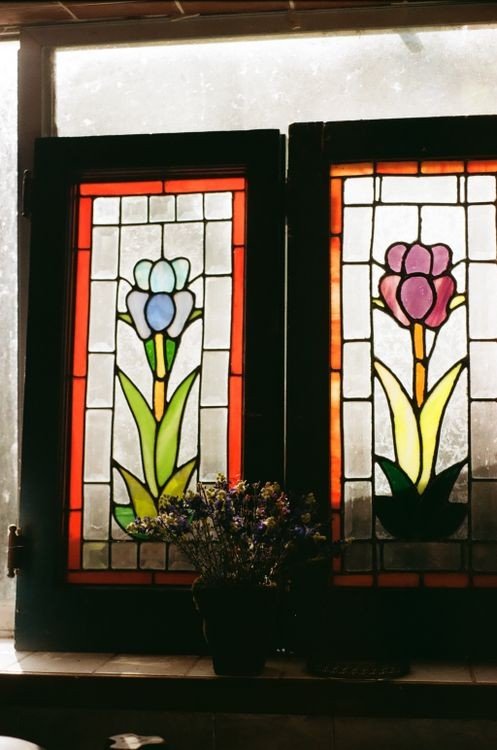
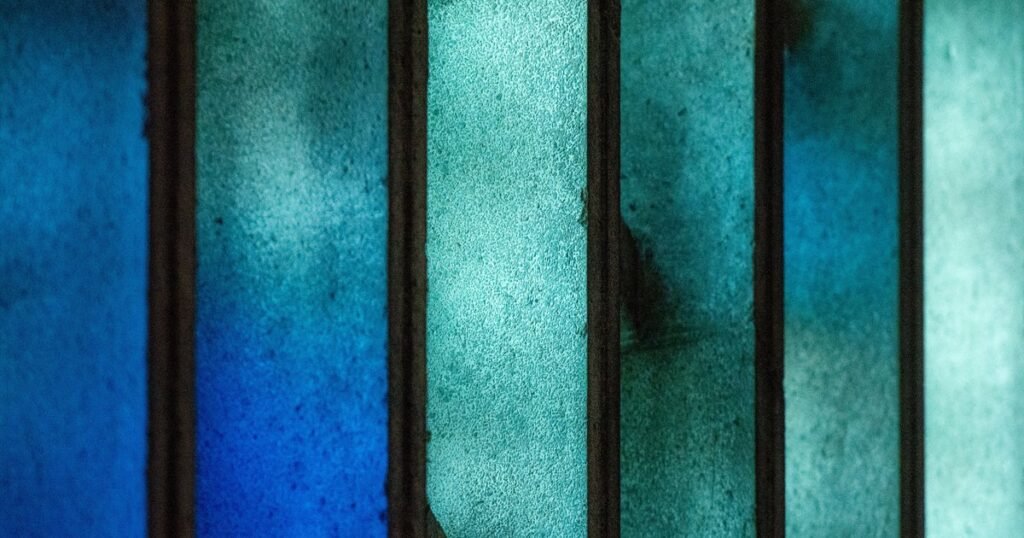
Verdict: real stained glass, for anyone who’ll be looking at it up close every day. For a hallway window or a piece you’ll mostly see from across a room, faux stained glass holds up well enough that most people won’t clock the difference.
Where Each One Actually Works Best
The honest answer to “which one should I use” depends less on which is “better” and more on what the project actually needs. A few scenarios where the choice is obvious once you name it:
Ready to Try Real Stained Glass? Start With a Pattern
Here’s something most faux-vs-real comparisons don’t mention: the same printable pattern works for either craft. If you’re cutting real glass, you tape the pattern under your workspace and cut each piece to the lines. If you’re doing faux glass paint, you slide the same pattern under a sheet of plain glass or acrylic and trace the liquid leading directly over it. Either way, a clean, well-proportioned pattern is what separates a project that comes together smoothly from one that fights you the whole way — that’s true whether the “leading” ends up being solder or paint.
Every AuraGlassCraft pattern is drawn in-house and tested for clean, buildable lines, then delivered as an instant digital download (PDF) — print it at home and start the same day. A few beginner-friendly options to start with:
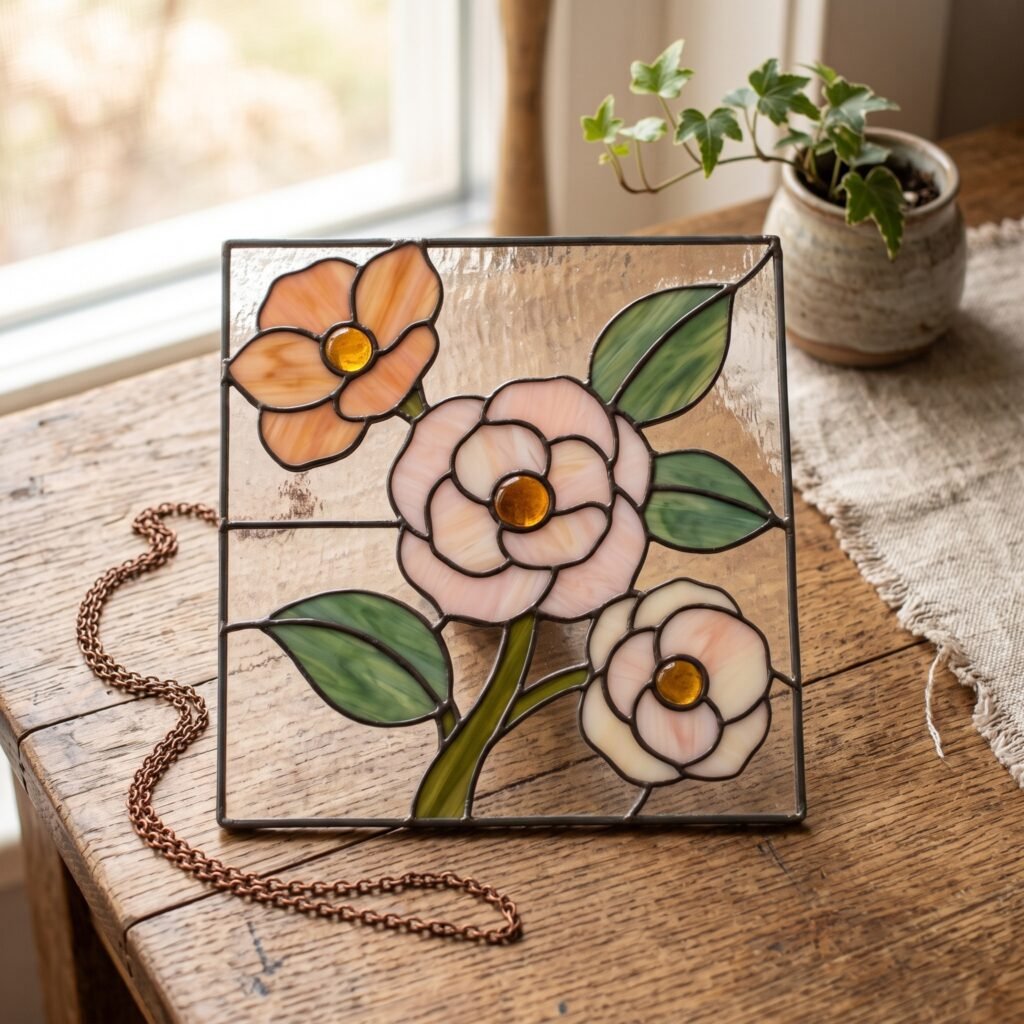
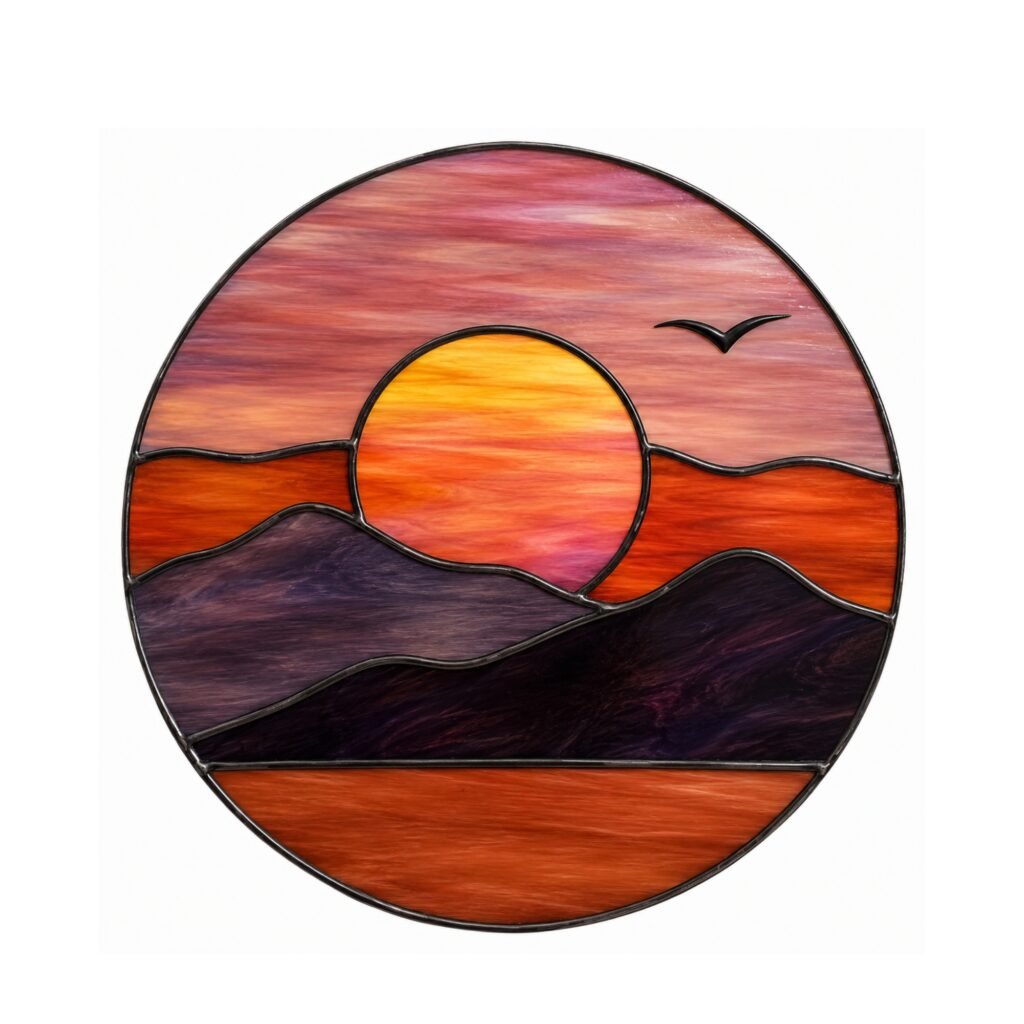
Both are sized for a first project, whether you end up cutting glass or reaching for a paint bottle. Browse the full library — celestial designs, birds and animals, florals, landscapes, and seasonal patterns — at the AuraGlassCraft shop.
Who Should Choose What
First-time crafter testing the waters: Start with faux glass paint on a cheap thrift-store frame. It’s forgiving, cheap, and teaches you pattern-following without any risk to real glass.
Renter who wants the look right now: Static-cling film, no question. It goes up and comes down without a mark, which is the whole point.
Homeowner planning a front door, transom, or built-in feature: Real stained glass. It’s a permanent architectural detail, and the cost difference matters far less over a 75-plus-year lifespan than it does on day one.
Someone making a gift: A small real-glass suncatcher from a beginner pattern. It’s inexpensive enough to justify the learning curve, and unlike faux glass, it’s still stained glass twenty years later. See our stained glass suncatcher guide for a full walkthrough.
If neither quite fits: you can always start faux and “graduate” later. Plenty of real stained glass hobbyists made their first piece with a paint kit before ever picking up a glass cutter.
Frequently Asked Questions
Is faux stained glass actually stained glass?
No. Faux stained glass is a paint or film treatment applied to plain glass. It can look convincing, especially from a distance, but the color and “leading” sit on top of the glass rather than being part of it.
Can I use a real stained glass pattern for a faux glass paint project?
Yes, and it’s one of the easiest ways to get a clean result. Slide the printed pattern under a sheet of plain glass or clear acrylic, trace the design lines with liquid leading, let it dry, then fill each section with glass paint.
Does faux stained glass block UV light or add privacy?
Most decorative films add meaningful privacy since they obscure the view through, but only films specifically rated for UV rejection block significant UV light. Check the product listing for a UV rejection percentage if that’s a priority, rather than assuming any stained-glass-look film provides it.
Is it worth learning real stained glass if faux is so much easier?
If you only want the look for a season, no — faux is the more sensible choice. If you want a skill you’ll use again, or a piece that’s still around in fifty years, real stained glass is worth the learning curve. Most people start with one small real-glass project, like a suncatcher, before deciding whether to go further.
Which one costs less to redo if I don’t like it?
Faux stained glass, by a wide margin. Film peels off and paint strips off with the right solvent, so changing your mind costs you a new $12–$43 kit. Redoing a real stained glass piece means re-cutting glass and re-soldering, which is a much bigger project.
The Verdict
| Category | Winner |
|---|---|
| Cost | Faux stained glass |
| Lifespan | Real stained glass |
| Ease for beginners | Faux stained glass |
| Light quality / authenticity | Real stained glass |
| Flexibility to remove or change | Faux stained glass |
| Overall | Depends on the project — see “Who Should Choose What” above |
Neither option is objectively better — they’re built for different jobs. Faux stained glass is a smart, low-risk way to get the look fast, especially if you’re renting, testing an idea, or working with a tight budget. Real stained glass is a genuine craft that costs more up front and takes longer to learn, but rewards you with something that will likely outlast the wall it hangs in.
If you’ve read this far and you’re leaning toward trying the real thing, the fastest way to start is with a pattern that’s already sized and tested for a first project — browse the full collection at the AuraGlassCraft shop, or see our step-by-step guide to making stained glass for the full process from first cut to finished piece.
One Response